
Ditching the Guilt: How to Set Healthy Screen Boundaries at Home
Screens as a Tool, Not a Threat
As children grow and begin to explore the world around them, navigating the role of technology can feel like one of the more complex aspects of modern parenting. Because this stage of development is so focused on building attention spans and learning emotional regulation, I wanted to share a few tips and reflections on how we might approach screens with intentionality, both at school and at home.
This topic can frequently carry a heavy weight of guilt, but I want to start by encouraging you to set that guilt aside. When used with intention, technology is simply one of many tools in a toolkit. I recognize there are moments, such as when you are trying to get dinner on the table solo or navigating an important work call, where a screen can provide a necessary and helpful bridge.
How We Use Screens at School: Active Learning, Not Passive Watching
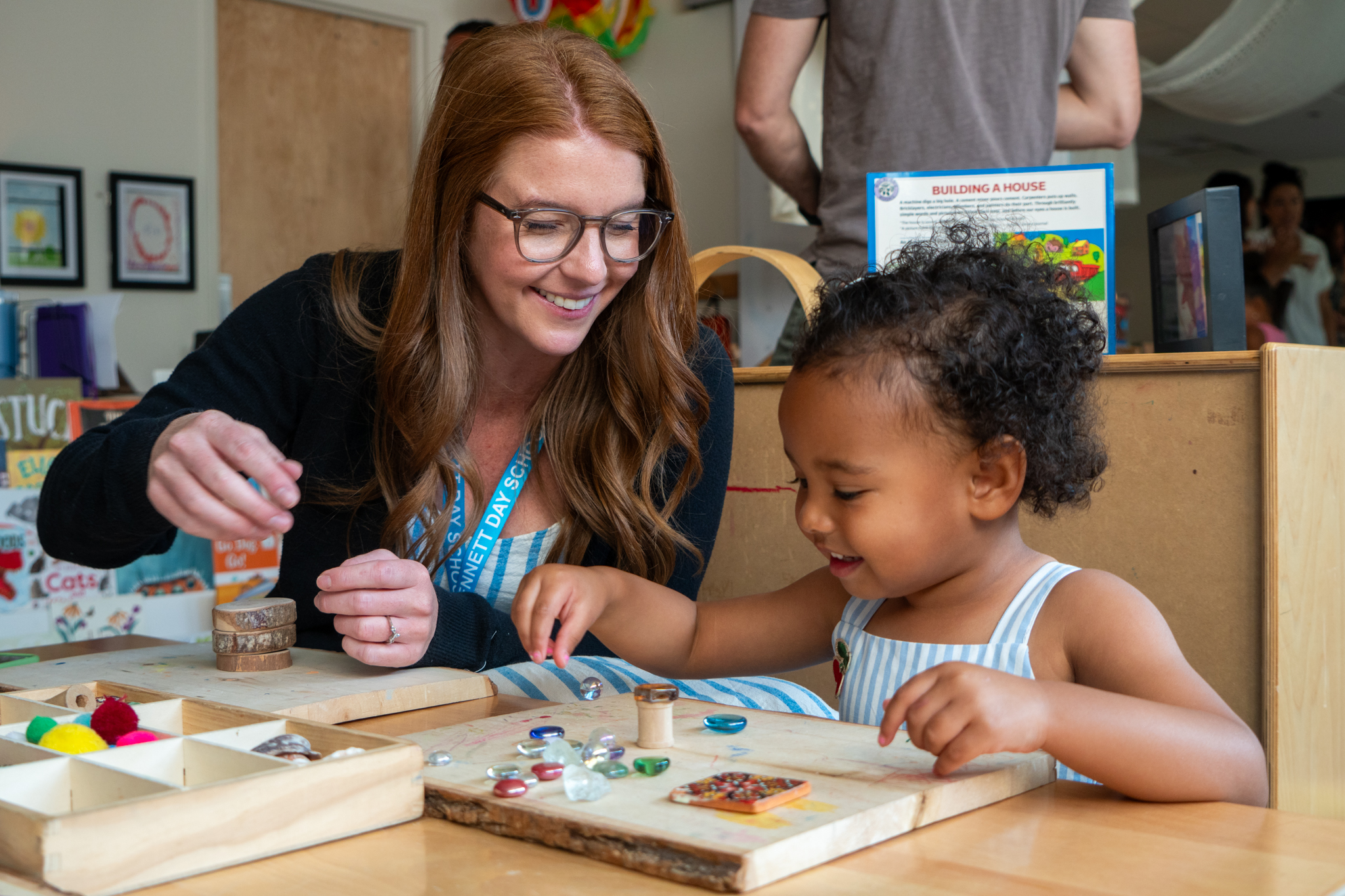
In our Early Childhood classrooms, we approach technology with the same intentionality we hope to model for families at home. Screens are not used for passive watching. Instead, we treat them as a window to the world or a way to deepen a specific project. For example, we use technology when we are looking to learn about a new topic or to make a meaningful connection with an expert. This year, our Junior Kindergarten students had the incredible opportunity to video call with an urban planning college student. In this context, the screen was an active tool for inquiry, allowing the children to engage with a specialist they could not otherwise meet.
Embracing Boredom: Why Transitions and Wait Times Matter
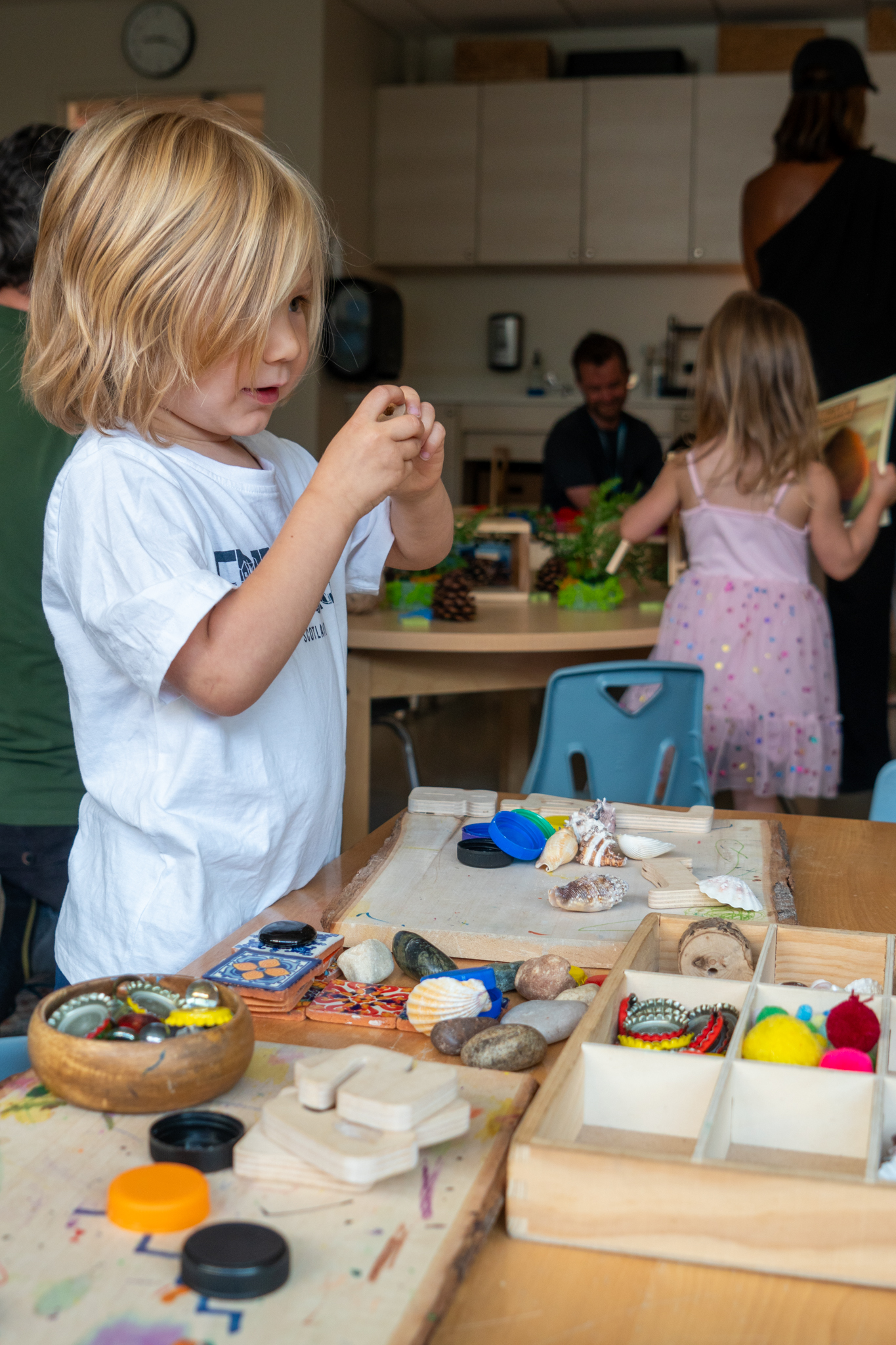
While screens are wonderful for those survival moments at home or for specific research at school, I recommend avoiding them during daily transitions. Moments like sitting at a restaurant or driving in the car are essential opportunities for children to experience the power of boredom. When a screen is used to make these moments easier, children may miss out on the chance to practice delayed satisfaction. When at a restaurant, I recommend offering boredom busters like playing with sugar packets, drawing on the paper tablecloth, or stacking coffee creamers. These activities challenge children to engage with their environment and practice the skill of waiting patiently in a chair.


Slowing Down Discovery: Choosing the Library Over Google
This practice of slowing down can also apply to how we seek information. When a child poses a big question, I recommend resisting the urge to immediately Google the answer on a phone. Instead, I invite you to try writing down those wonderings for the next library trip. Searching for a topic on the library computer and looking through informational books together teaches children that the process of discovery is just as valuable as the answer itself.
Keeping Adults in the Driver’s Seat (And Why to Avoid YouTube Kids)
I also recommend keeping adults in charge of the technology itself by keeping the TV remote out of reach and avoiding discussing its power with your child. When it is time to watch something, you know where the remote is and you can choose what to turn on. I suggest that children at this age not have access to the remote or to streaming accounts. By containing that access, you ensure they are watching appropriate content and helping to build a sustained attention span, rather than allowing them to flip through infinite, algorithm-driven options. This is why I specifically caution against the use of YouTube Kids. Ensuring content is appropriate often requires a human eye, and I highly recommend this Parents’ Ultimate Guide to YouTube Kids from Common Sense Media for more insight.
If a family chooses to have a movie night as a special screen time, I recommend sitting down and enjoying the film alongside the child. Being present allows for conversation about the hard or scary parts, explanations for confusing plot points, and the chance to bring family values to life. It could be an opportunity to say, “Oh, she must be learning to use kind words when she’s upset. In this family, those words aren’t used because they can hurt someone’s feelings.”
Modeling Focus: How Children Experience Our Screen Time
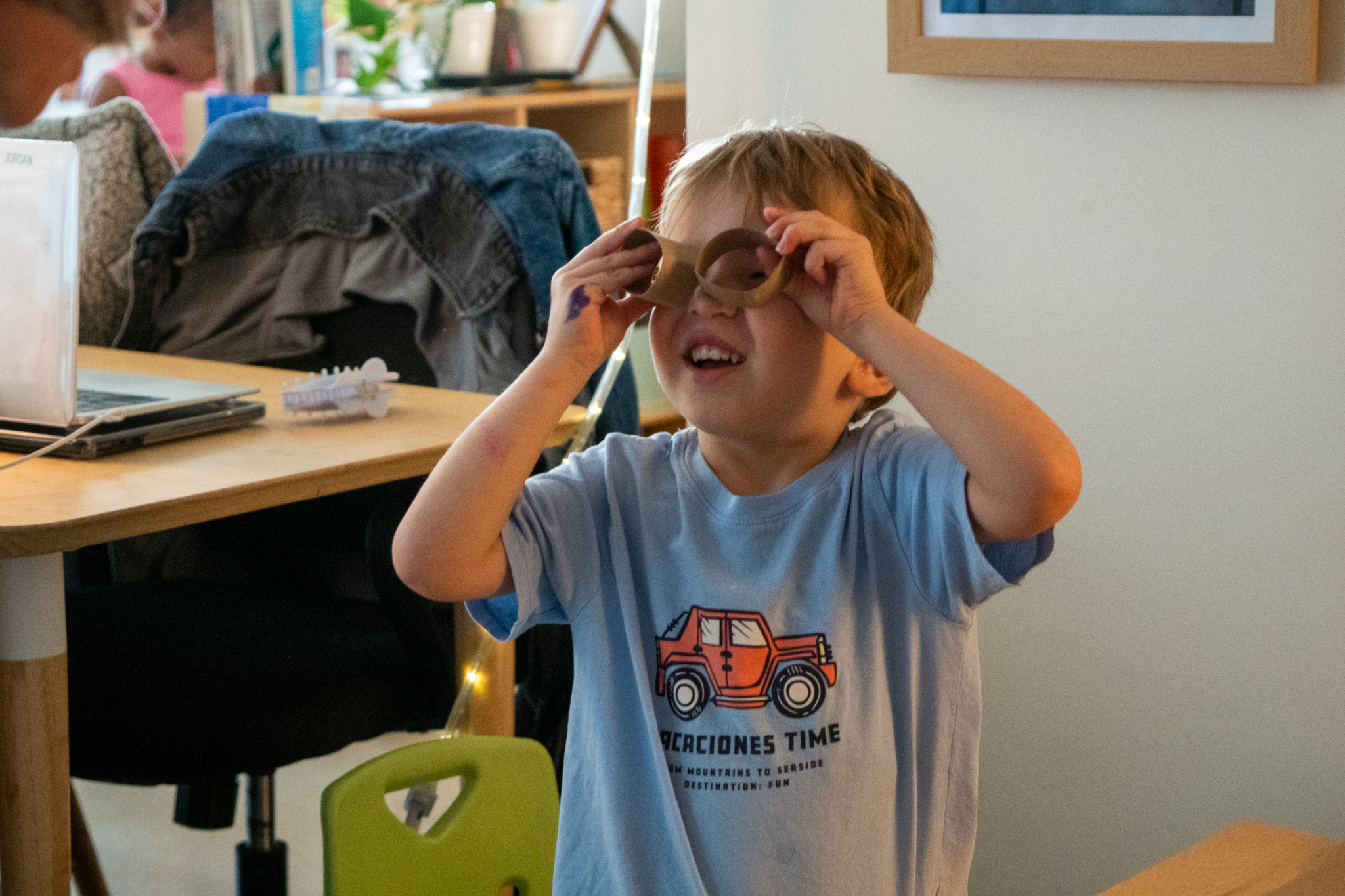
I also invite an awareness of how technology is used by adults in the home. When children are playing, I recommend trying to avoid the habit of scrolling. Instead, adults can model other forms of focus by reading a book, writing a grocery list, cooking, or playing with the kids. If there is a need to be on a phone, I find that explaining those actions out loud can be very helpful: “I am going to come play with you in just a moment. Your grandma is asking what time dinner is tonight. Let me respond to her and then I will be right there!”
Holding the Boundary: Clear Language for Setting Limits
Ultimately, I believe it is the role of the adult to remain in charge of the “what” and the “when” to help children navigate these boundaries. If you want to offer a child a sense of agency, you might try giving a choice between two pre-approved options. When pushback occurs, I recommend avoiding the power struggle by calmly declaring, “It is my job to choose what we watch. Your job is to enjoy it!” Setting expectations early can also remove the power the TV holds. You might try saying, “We have time for one episode tonight. I am not going to change my mind, and I will let you know when it is almost over so you are ready to play afterward.”
TV does not need to be labeled as “bad.” Instead, we can help children understand that their brains need a balanced diet of activity to grow strong. Just as bodies need different types of food, brains need exercise, reading, building, sleeping, and relaxing. Screen time is simply a small snack in a day filled with much more nourishing activities.

This content was originally shared in a letter to the Bennett Day community from Molly Simmons, our Director of Early Childhood.