
The Summer Transition: Balancing Rest, Routine, and Choice
Why Kids Need Structure (Even When School Is Out)
Extended time with family is a beautiful, restorative experience. After the demanding pace of the spring schedule, children benefit from the gift of time at home and the opportunity to reconnect without the pressure of a rigid school schedule.
However, it is important to note that a total departure from structure is rarely grounding for young children. While a fluid, unpredictable schedule feels liberating to an adult, a lack of routine removes the predictability children rely on to feel secure. Children thrive when they know what to expect. Ultimately, children want and need their adults to have a plan. An adult who confidently holds the plan has a child who feels safe and secure.

It might seem wild to think that offering more choices could actually bring less security, but it helps to remind ourselves that the human brain continues developing far into a person’s twenties. A child who is four or five just does not have the foresight or the neurological framework yet to know what is best for them. While summer brings big scheduling logistics, such as deciding between a week at summer camp or a week at home with Dad, I urge you to remember that this type of choice is far too large for a young child to navigate.
Instead, let them own the smaller decisions within your established rhythm. Give them the autonomy to choose which shirt they will wear, whether or not they wear fairy wings to the splash pad, or whether to get ice cream or a cupcake as an end-of-day special snack. Establishing a predictable daily rhythm (such as consistent wake-up times, scheduled meals, and familiar bedtime rituals) will provide your child with a necessary sense of safety and reduce behavioral friction.



Maintaining Momentum: Social and Emotional Growth
As you plan for the months ahead, following through on summer recommendations for academic support, whether that means practicing fine motor grip, playing counting games, or engaging in targeted learning activities, is incredibly valuable and important for maintaining structural continuity. However, alongside those academic pieces, there is another essential set of skills that every single child can stand to practice. What we often see slip the most over the summer is a child’s social-emotional stamina.
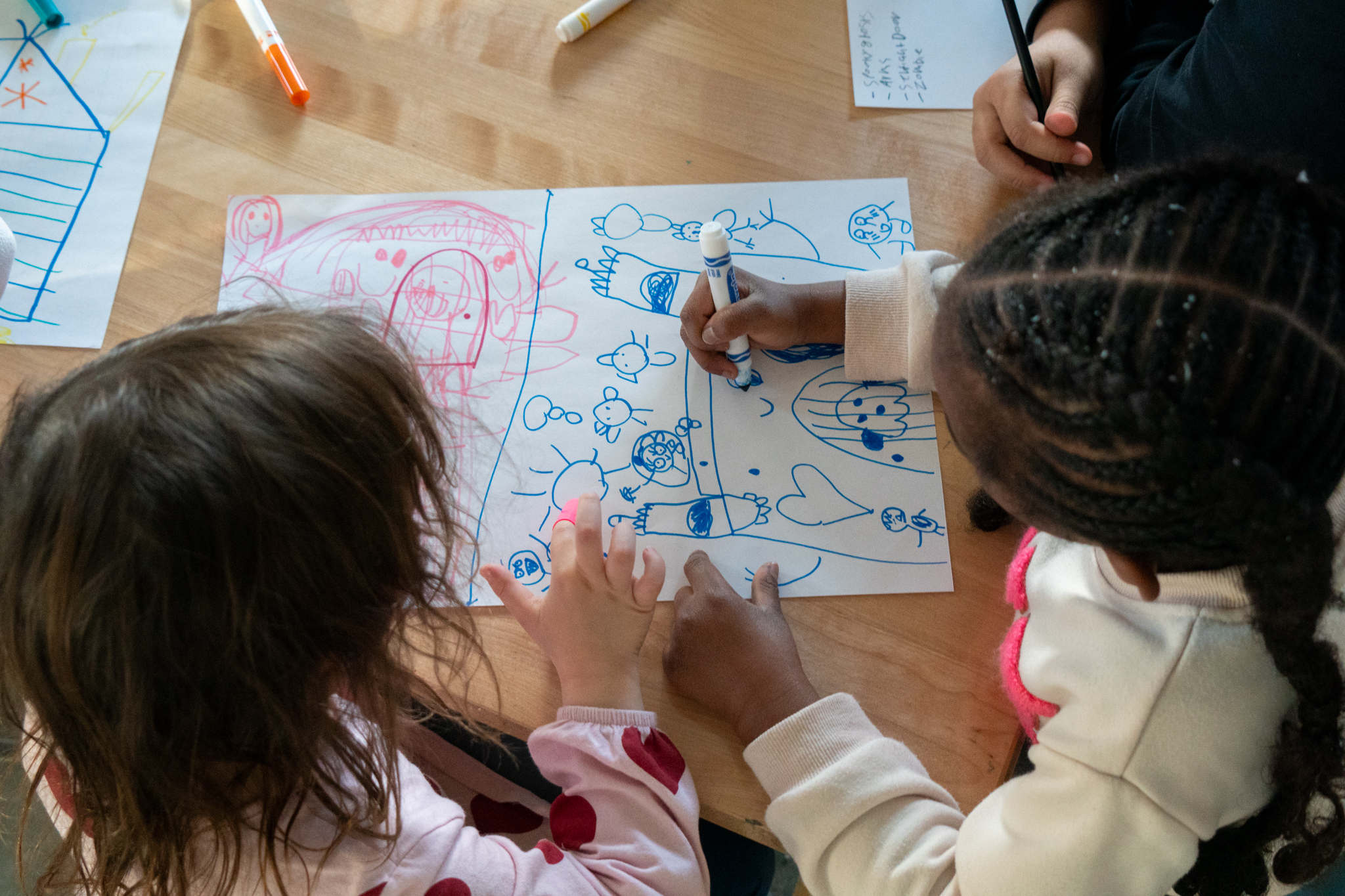
Throughout the year, your children have worked incredibly hard on learning how to problem-solve with peers, how to find kind language to negotiate through a conflict, and how to advocate for themselves in a strong, clear, yet respectful voice. Over the summer, look for opportunities to keep these critical skills sharp. When sibling conflicts or playground disagreements arise, resist the urge to immediately step in and solve the problem for them. Instead, pause and ask, “What problem-solving words can you use?” or “I know you can solve this problem.” Giving them the space to practice self-advocacy at home ensures they return in August feeling socially confident and capable.
Honoring the Present
If you are already anticipating the upcoming school year, or quietly counting down the days until routine resumes (which is entirely understandable), it is highly recommended to minimize these conversations with your child for now. The immediate goal is to help them inhabit the present and navigate the emotional shift of this transition rather than rushing them into the next phase.


Children need space to process the reality that their two deeply bonded classroom teachers will no longer be part of their daily lives. In early childhood, teachers represent secondary attachment figures, and parting ways with them requires an emotional adjustment. While adapting to the conclusion of a school year becomes easier with age, at this developmental stage, it represents a monumental shift for your child.
Timing the Conversation for Next Year
When is the appropriate time to introduce the upcoming school year? A good rule of thumb is to wait until a week or two before school resumes. The topic can be naturally introduced when you are selecting a new backpack or gradually shifting your child back to a school-year sleep schedule. Once official classroom assignments are shared in August, you can share teacher names and look at their photographs together online to make the transition concrete.
Until then, introducing next year can create unnecessary anxiety and anticipation for a future that still feels entirely abstract to your child. If the subject arises organically, a reassuring framing is best:
“Junior Kindergarten is going to be so much fun! We will learn who your teacher is soon, and whoever they are, they will love you just as much as [Current Teachers’ Names] did.”

This content was originally shared in a letter to the Bennett Day community from Molly Simmons, our Director of Early Childhood.