
Supporting Young Children Through Transitions: Building Routines, Resilience, and Connection
Transitions—like leaving home for school, cleaning up after playtime, or heading to bed—can feel big for young children. At Bennett Day School, we see these moments as opportunities for growth, not just challenges to overcome. Drawing on insights from our Bambini & Me teachers, this guide offers simple, compassionate strategies to help parents and caregivers make everyday transitions smoother, while nurturing confidence, independence, and emotional regulation along the way.
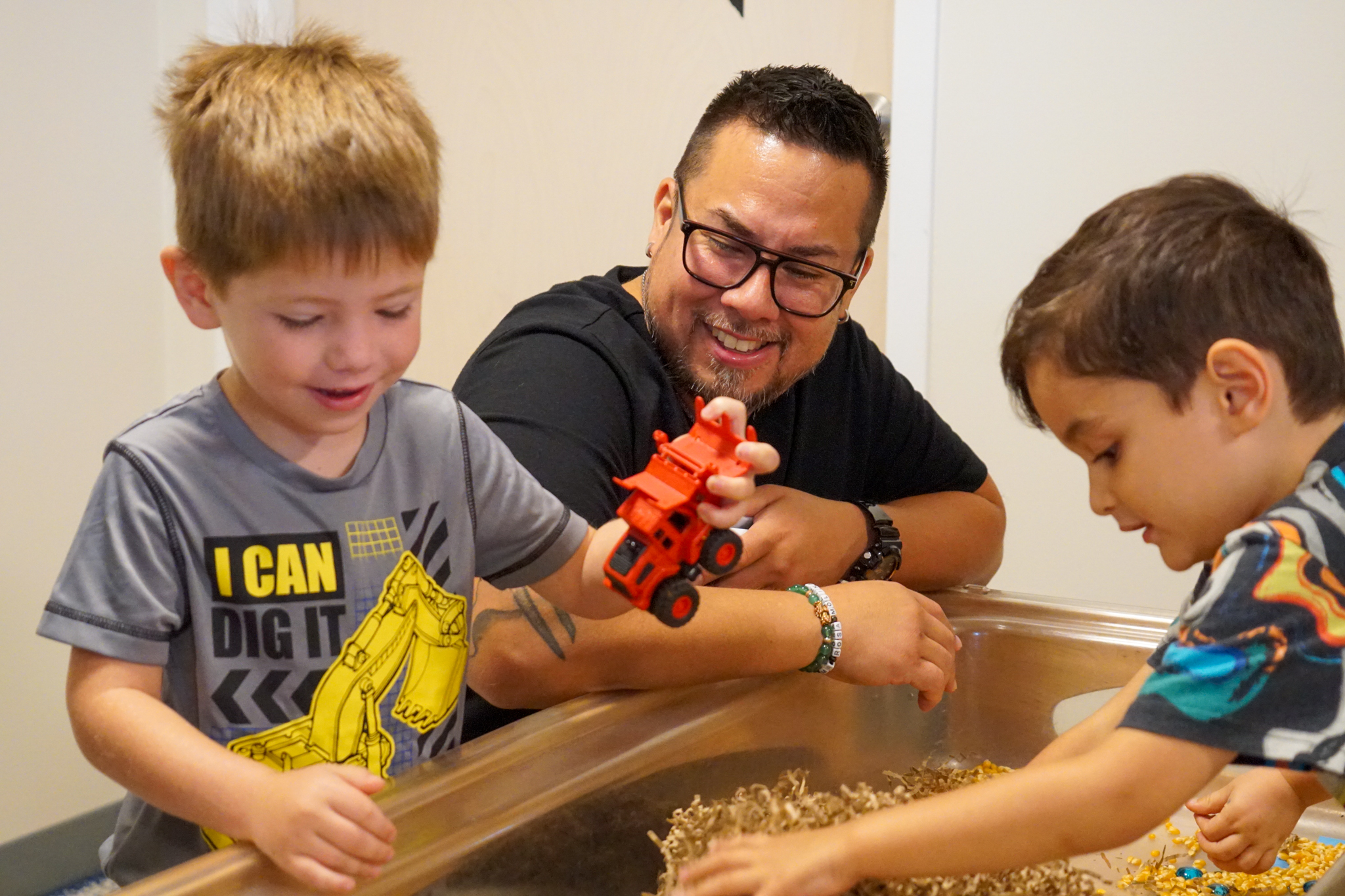
Why Transitions Feel Hard for Young Children
Think about how it feels to be deep in a project when someone asks you to stop unexpectedly—it’s frustrating, right? For a child, that feeling can be even stronger. Their play is meaningful work, and stopping suddenly can feel like a loss of control.
By offering structure, empathy, and clear communication, we can help children build the skills they need to navigate change—skills that will serve them well far beyond early childhood.

Practical Strategies to Support Transitions
1. Offer a “forced choice.”
Children thrive when they feel a sense of control. Instead of asking, “Can you help clean up, please?” try:
“It’s time to clean up. Would you like to put away the purple cup or the green one?”
This approach gives them autonomy within clear boundaries and keeps the focus on the task at hand.
2. Give gentle countdowns.
Transitions are smoother when children know what’s coming next. Try giving a heads-up like:
“In two minutes, it will be time to stop playing.”
This helps children mentally prepare for the change and reduces resistance.
3. Narrate routines in real time.
Use simple, descriptive language to make routines predictable:
“Now we’re washing our hands. First, we turn on the water, then we get some soap.”
This helps children connect actions with language and builds understanding over time.

Ways Parents and Caregivers Can Help at Home
Create Consistent Routines.
Children find comfort in knowing what to expect. Daily routines, like getting ready in the morning, help them feel grounded and confident. Visual schedules or checklists can reinforce predictability:
“We’ve already brushed teeth and gotten dressed, what’s next on our chart?”
When children can see and track their own progress, it builds independence and a sense of accomplishment.
Validate Their Feelings.
Transitions can bring big emotions. Instead of rushing past them, acknowledge what your child is feeling:
“You’re sad we have to leave the park. I love the slide too! Let’s take a picture so we can remember and come back soon.”
Validation helps children feel seen and heard and encourages them to process emotions in healthy ways.

Questions to Reflect On
- How can I build consistency into our routines so transitions feel predictable and positive?
- Did I give my child a clear, gentle warning before the transition?
- Was my child fully engaged when I gave directions, or do I need to get down to their level and make eye contact?
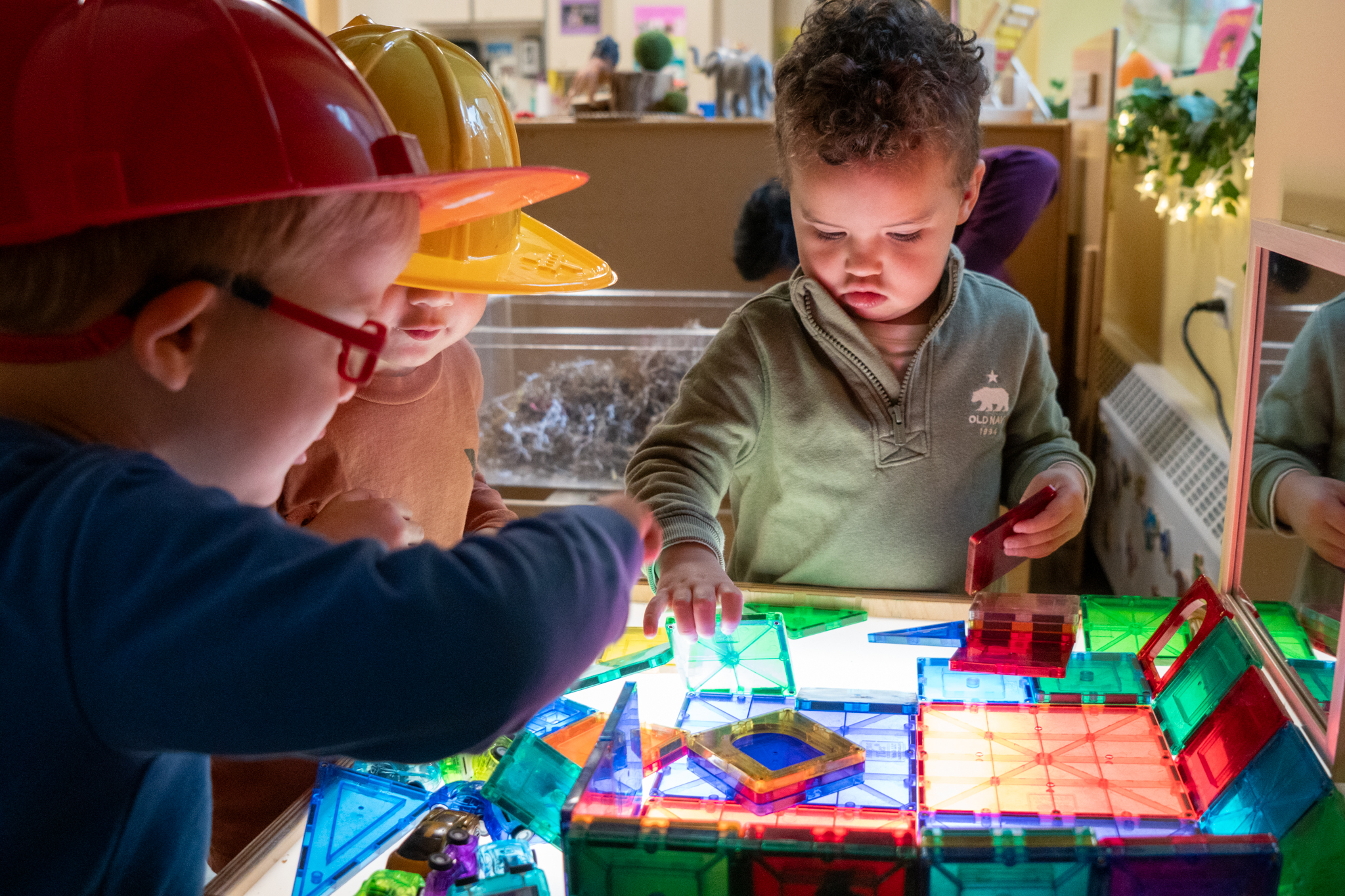
Helping Children Build Confidence in Change
Transitions aren’t just about getting from one activity to another—they’re about helping children develop trust, adaptability, and resilience. When we guide children with empathy and clarity, we’re not just easing the moment; we’re giving them lifelong tools to manage change with confidence.
At Bennett, these moments of care and connection are at the heart of learning—because when children feel secure, they’re free to explore, take risks, and grow.
This blog was inspired by guidance from Bambini & Me teachers Kasey and Stella, who previously shared this advice with parents/guardians in our Bambini & Me program.